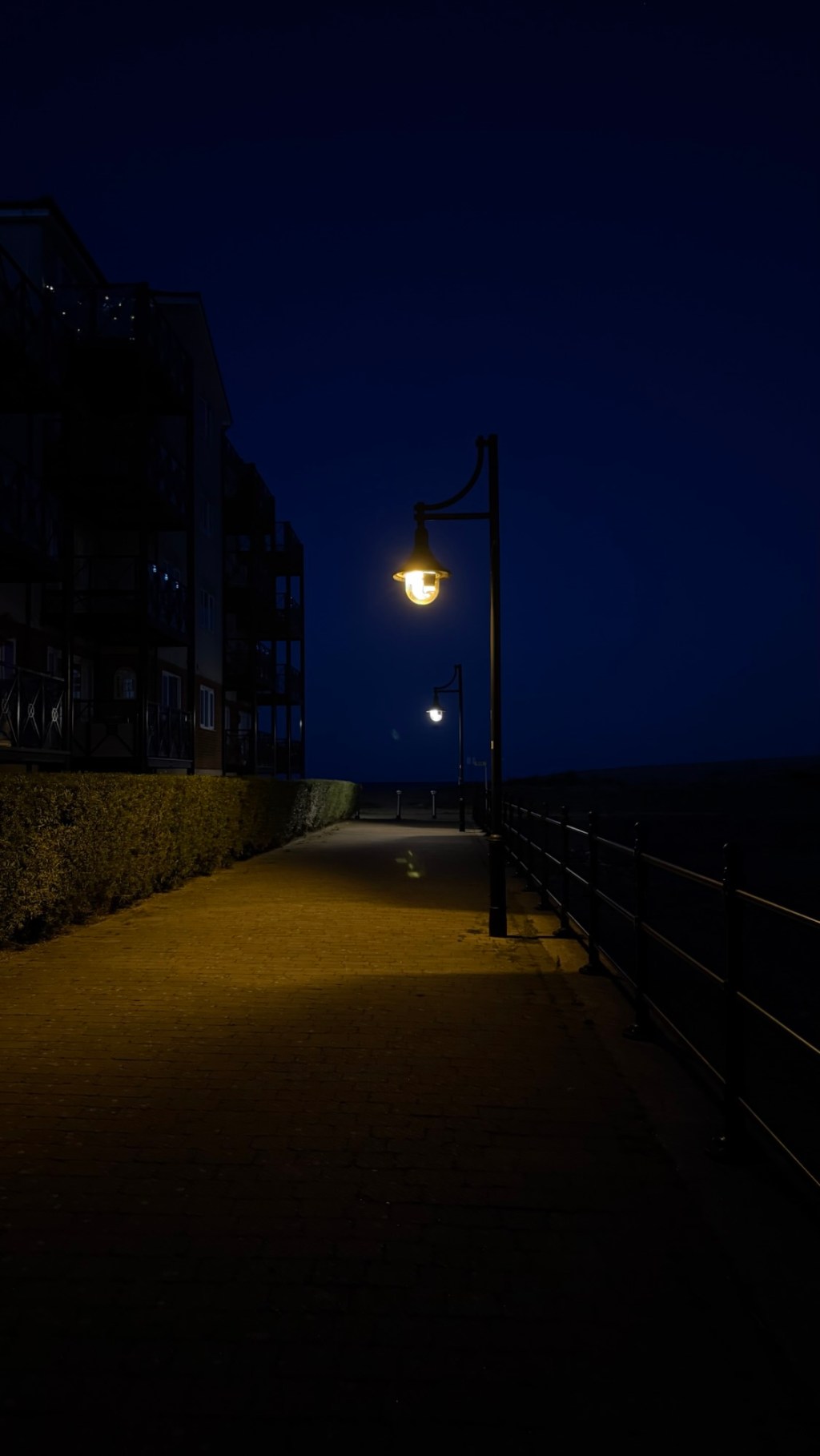
Mustafa took his son to the house of prayer at the hour of Maghrib, when the sky surrenders its gold and the world grows quiet.
At the end of the corridor, before their feet turned toward the door, there stood a small vessel where strangers leave their offerings. The boy — Yusuf, three years old and certain of the world — had seen his father press it once before, and in the unhurried logic of childhood he had decided this was simply what one does upon leaving. So he took Mustafa’s hand and asked him to press it again. He did not know why. He only knew that his father had done it, and so it must be done.
Mustafa stopped. He gave.
For giving does not always begin in the heart of the giver. Sometimes it is laid before a man on the path, and the open hand is enough.
On the road home, Mustafa explained to Yusuf why they had given. Why this small ritual, why the coin that disappears, why the giving at all. And he spoke to him the way a man speaks when he knows his words must outlive him.
We give, he told the boy, for the sake of Allah. And when you give to His house, He makes your own house beautiful — and more beautiful still in the life that has no ending.
But what does a boy of three years know of houses beyond death? He knew only his blocks — the bright wooden towers of his small kingdom on the living room floor. And so he stretched out his little arms as wide as they would go, and he promised his father he would build a house for Allah. This big. With his blocks. With his hands. With everything he had.
And Mustafa, full of a joy he could not name, prayed aloud:
May Allah make you a great man, my son. A man of success.
And the boy answered him without hesitation, without the long pause that grown men take before they speak the truth:
Like you.
Two small words. And they fell upon Mustafa like a prayer that travels through generations — a prayer that leaves the father’s lips and returns, transfigured, through the mouth of the child.
He had prayed for his son to rise. The boy believed he had already seen the summit. And the summit wore his father’s face.
In the eyes of a son, the father is the bearer of the standard — the wellspring of strength, of shelter, of power. In body. In fortune. Perhaps even in spirit.
But the question stood at Mustafa’s door that night, and it stands there still, and he has no answer for it:
Is he worthy of the eyes that look upon him?
He prays that their prayers — the boy’s and his own — find their way home. He prays for every father, and for every son, that what passes between them in love and longing be accepted.
Ameen.
 Arif Atique Physician Researcher
Leave a comment